

6a302f48-4664-4bd7-a1c6-ca4be3c63b43

6a302f48-4664-4bd7-a1c6-ca4be3c63b43

AH
Abrhame Habtom
May 15, 2025
1 min read

China mandates AI education from grade school to graduation

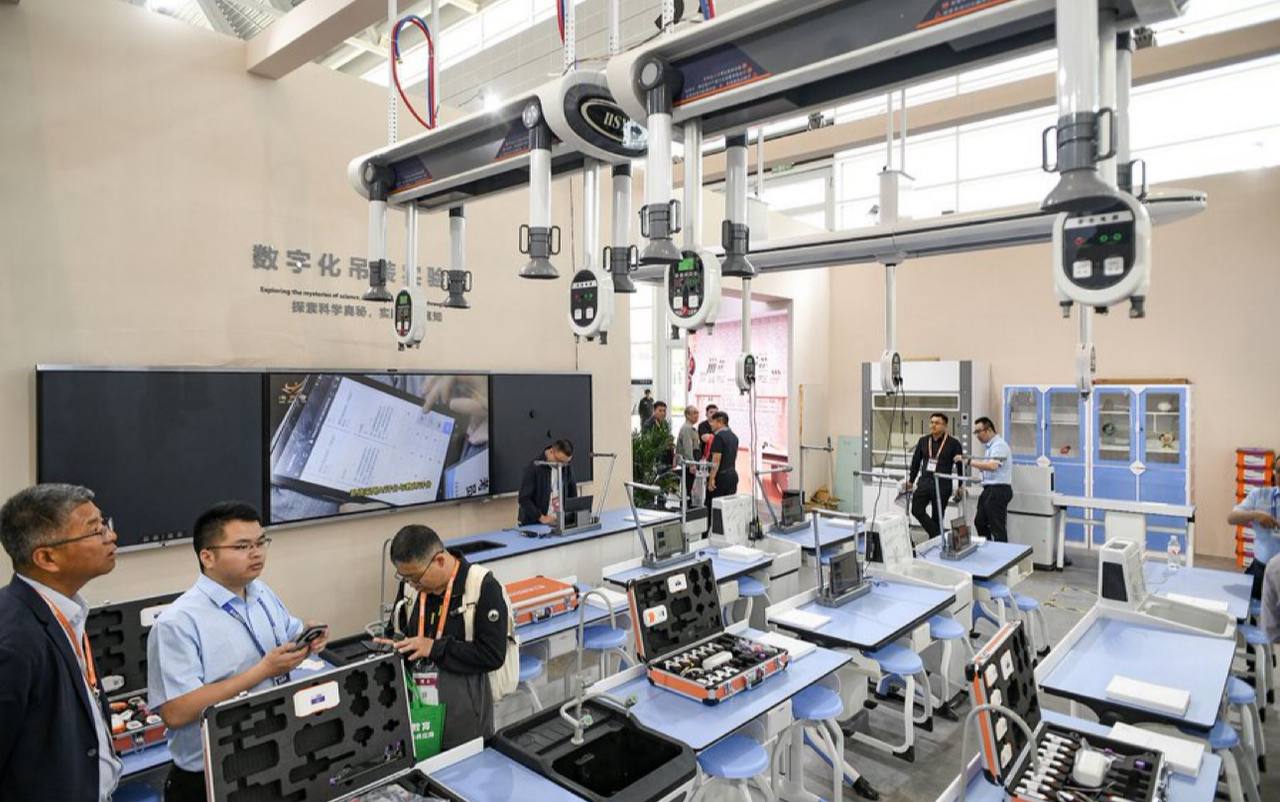
China is introducing AI education across the country, beginning in elementary schools. Young children will learn foundational skills like voice recognition, while teenagers will explore machine learning and algorithm development. Teachers will also receive AI training, with lessons designed to align with students' ages and cognitive growth.

While generative AI can enhance teaching methods, students are prohibited from using it for assignments. The goal is to cultivate a generation that comprehends, questions, and innovates with AI. This initiative focuses not only on technology but also on fostering critical thinkers who can navigate and lead in an AI-driven future, emphasizing intellectual engagement over reliance on automated solutions.

About the Writer

More from Mindplex

Keep reading

Three more ideas worth your time.

Browse Community

Discussion

Join the discussion

Sign in to share a response with the community.

Type @ to mention someone Type / or use + to add a block Highlight text, then choose Link
Loading editor

Comments cannot be edited after posting because they become part of the reputation record. Give yours a quick review first.

HC

Henriq C

1 year ago

<p>When you imagine the world say 20 years from now, it is pretty wild to think of what kinds of skills one should be learning now. When I was in school in early 2000s we were training fast hand writing. Well, it is still useful at time to time when taking manual notes but I wish I was much faster with the keyboard instead of the pen. </p><p>In my country, 10-15 years ago they decided to start teaching programming since the very first grade in the school. Around the same time I was doing my university's elementary programming course and the guy explained that after a decade or two this course may not exist because everyone already know these things at much younger age. Well, I think they still have the course today and if they discard it it will more likely be because AI has taken over those tasks. Predicting the future is difficult.</p><p>My view is that human input is moving towards generalization instead of hyper specialization. The question of what we want instead of how to get it may become increasingly prominent. Finding the right questions rise in value. Sound meta skills will take you long way. Learn how to learn. Learn how to get inspired and cultivate your curiosity. Learn how to empathize and how to hold multiple (often conflicting) viewpoints at the same time. Find ways to expand your consciousness outwards into your environment as well as inwards for coherent reflection and self-understanding. Embrace to leverage ever-evolving technology for your personal growth and get in the reflective growth spiral where disruptions help forward instead of stagnated loop where disruptions have only negative impact.</p><p>These could be some of the components how, I'd say, one can become flexibly adaptive to new technologies as well as capable of driving new technologies. At the end of the day, who knows how the future will unfold. Diversity of approaches ensures that we, as the collective human society, have plenty of independent thinking to respond upcoming challenges and opportunities. China's decision to familiarize people to work with and on AI sounds very logical. At the individual level, it is a choice we all have to make for ourselves. That decision alone requires already a fair share of self-comprehension.</p>