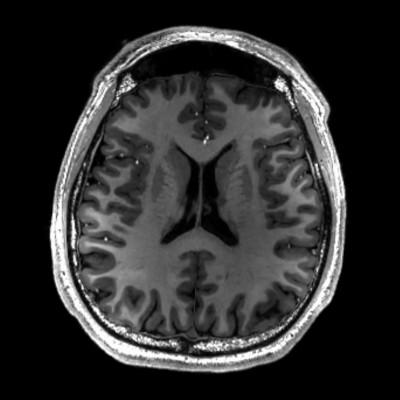

A research team led by researchers at Brigham and Women's Hospital analyzed data from 857 people across 36 fMRI studies to find a common brain circuit for creativity. fMRI is a technique that shows which parts of the brain are active during tasks. They looked at healthy people first, then predicted how brain injuries or diseases might affect creativity. They discovered that changes in creativity could relate to where an injury is compared to the creativity circuit.
The researchers found that creativity doesn't just involve one brain spot but a whole circuit. This circuit includes areas active during activities like drawing or writing creatively.
A paper published in JAMA Network Open describes the methods and results of this study.
The researchers noticed that people with brain injuries or neurodegenerative diseases affecting this circuit might become more creative.
Less self-censoring, more creative thought
Interesting to the researchers was that all these creative areas were linked to the right frontal pole, a part of the brain that helps with self-monitoring and following rules. Reducing activity here might mean less self-censoring, allowing for more creative thought. This could explain why some people might get more creative with certain brain changes.
The study suggests that understanding this circuit could help in developing brain stimulation methods to boost creativity. But, the researchers stress that creativity involves many brain parts, not just this circuit. The findings also show how brain changes can both harm and enhance function, shedding light on neurodiversity.
The researchers say that the main message of these findings is that creativity in the brain is more about circuits than single regions, and brain injuries might alter creativity based on where they occur.
“We are learning more about neurodiversity and how brain changes that are considered pathological may improve function in some ways,” says researcher Isaiah Kletenik in a Brigham and Women's Hospital press release. “These findings help us better understand how the circuitry of our brains may influence and unleash creativity.”