

AI, once framed as a technology of the future, has become widely accessible in the form of personal chatbots that people use to ask almost any question that comes to mind. It is now common to see individuals seeking psychological or relationship advice, students relying on AI to support their learning and coursework, and users receiving instantaneous responses within seconds. In some cases, people even turn to AI tools for medical advice when they are not feeling well.
This is not an argument rooted in worst-case scenarios alone. AI chatbots, many of which are freely accessible, can ease workloads, improve efficiency, and provide valuable suggestions. However, what is increasingly undeniable is that the adoption rate of generative AI is rising far faster than the foundational understanding required to use it responsibly.
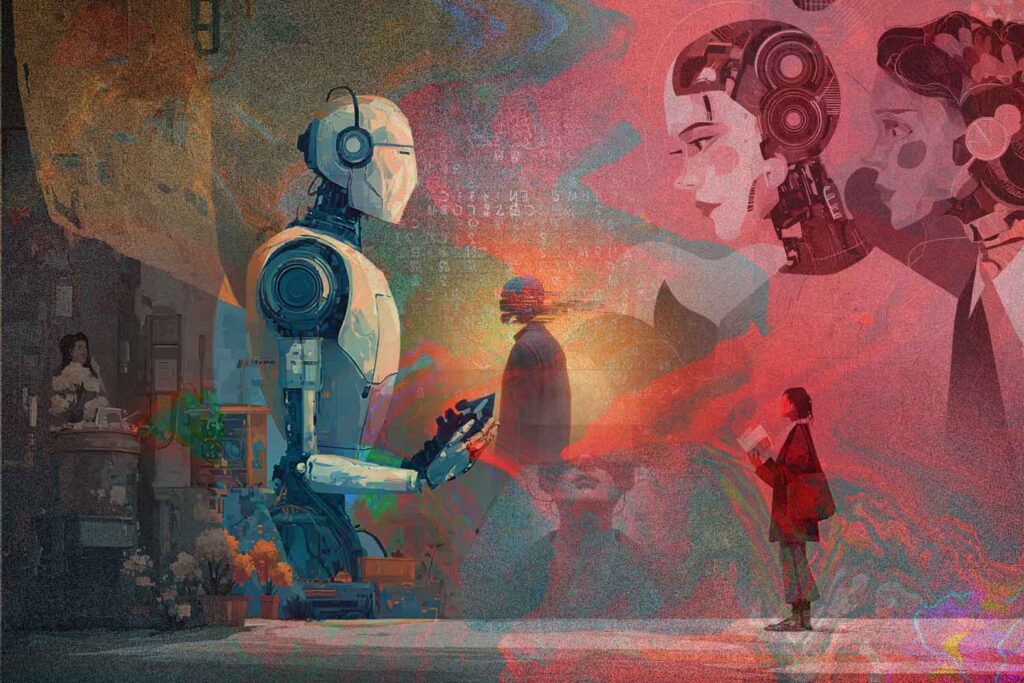
Compared with earlier technologies such as personal computers and the internet, whose adoption rates reached around 20 percent during the late twentieth century, generative AI is believed to have surpassed 40 percent adoption, making it one of the fastest-adopted technologies in history. Yet this rapid uptake has not been matched by equivalent growth in AI literacy. AI literacy is the ability to understand, question and use artificial intelligence (AI) tools and systems effectively, ethically, and critically, recognising what AI is, its capabilities, limitations, and societal impacts, similar to how digital literacy is essential for the internet age. It involves recognising AI in daily life, grasping basic concepts like machine learning, using AI tools for tasks, and critically assessing ethical issues, bias, and privacy concerns.
A global study on AI literacy, by KPMG and the University of Melbourne, found that while 66% of people use AI regularly, only 52% feel knowledgeable about how it works or how to use it properly. At the same time, global trust in AI systems remains low, with only 46% of people expressing trust in AI tools.
Taken together, these figures suggest that society is prioritising access and adoption over literacy and critical engagement. Without greater emphasis on foundational understanding and responsible use, the widespread integration of AI risks contributing to the erosion of critical thinking, widening digital divides, cognitive atrophy, online security and privacy concerns, and a potential loss of creativity.