
Scientists at Chan Zuckerberg Biohub San Francisco (CZ Biohub SF) have developed Omega, an open-source software tool that significantly advances the bioimage analysis field, according to the scientists.
Omega is integrated into large language models (LLMs), such as OpenAI’s ChatGPT, enabling scientists to process and analyze biological images using natural language conversations, rather than issuing formal commands or writing code.
Omega was created by Loïc A. Royer and his team, and documented in a paper published June 10, 2024 in Nature Methods.
A plug-in for napari, Omega is an open-source image viewer used worldwide in diverse scientific fields, especially in biomedical research. “Omega allows users to quickly generate and edit code to solve complex image processing tasks,” explained Royer, a senior group leader and director of imaging AI at CZ Biohub SF.
Omega’s collaborative features include:
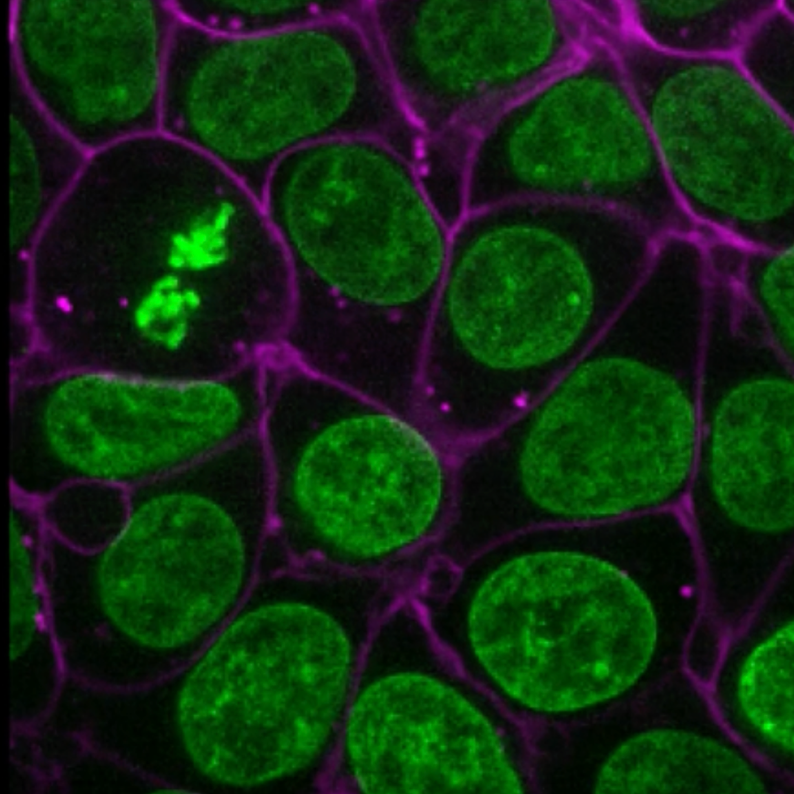
- Interactive image analysis: Users can instruct Omega to perform specific tasks, such as segmenting cell nuclei, counting objects, and generating detailed reports, all through simple conversational prompts.
- On-demand widget creation: Omega can create custom widgets tailored to user-defined tasks, facilitating specialized image filtering, transformations, and visualizations.
- An AI-augmented code editor: Omega includes an intelligent code editor that enhances code management with automatic commenting, error detection, and correction features.
- Multimodal capabilities: Beyond text, Omega can interpret visual data, integrating multiple data types to provide comprehensive
Scientific community members are already using Omega, which has been available for download from a GitHub repository since May 2023. Royer said regular updates have been posted since then.
Omega source code: GitHub repository.
Citation: Royer, L. A. (2024). Omega—Harnessing the power of large language models for bioimage analysis. Nature Methods, 1-3. https://doi.org/10.1038/s41592-024-02310-w