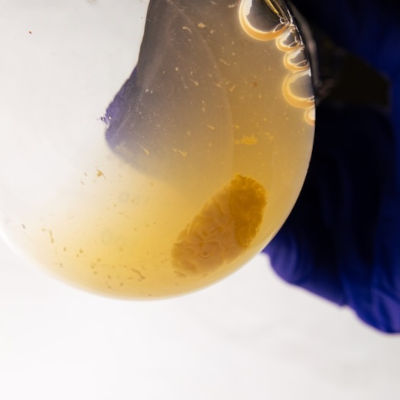

Scientists have pinpointed biofilms as an important element in planning for human space exploration. Biofilms are groups of tiny organisms, such as bacteria and fungi, that stick together in a protective slime, forming what experts call microbial cities where they share resources and communicate. These structures could create health risks for astronauts but also help maintain life in space. A microbiologist from the University of Houston, along with others, reviewed this in a paper published in npj Biofilms and Microbiomes using data from NASA's open science repository, which stores genetic and biological information from past space missions. Astronauts face changes like low gravity, high radiation, and weakened immune systems, but little was known about how these affect the body's microbes and their biofilms.
Biofilms in everyday life and space
On Earth, biofilms appear in common places like dental plaque, the white film on tongues, or buildup in pipes and medical tools. They are vital for life here and likely in space too. In space conditions, biofilms might help microbes resist treatments and develop antibiotic resistance, where drugs fail to kill bacteria - a growing global issue. Genes linked to biofilm formation can change in space, making these communities stronger.
However, biofilms offer benefits for long missions, such as improving drug delivery, balancing body microbes for health, or boosting plant growth for food. The review suggests using developing technologies to harness these positives while managing risks. Understanding how microbes adapt in space is essential, as humans have lived with them for millions of years. This knowledge is key to safe exploration beyond Earth, including how bacteria survive in clean spacecraft rooms. Overall, addressing biofilms early will help achieve goals of deep space travel.
“If we are to explore the frontiers of the space, it cannot be separated from understanding how microbes respond to space and related conditions," says the microbiologist. "A fundamental understanding of this is absolutely critical for us to explore the space.”