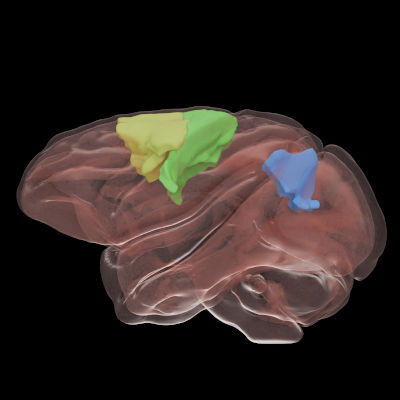

The brain can adjust to control devices like prosthetic arms using a brain-computer interface (BCI) to translates brain signals into actions. Researchers studied how the brain learns to move a computer cursor in a virtual space using only thoughts. They worked with rhesus monkeys, focusing on two brain areas: the frontal region, which plans and starts movements by sending signals to muscles, and the parietal region, which processes sensory information, like visual cues, to locate objects.
The monkeys used a BCI to move a cursor in a 3D virtual environment. The researchers used machine learning to interpret brain activity and turn it into cursor movements. They deliberately made the BCI produce incorrect movements, forcing the brain to adjust to errors, similar to learning to throw a new type of ball.
The study showed that the brain does not need to form new connections to adapt. Instead, it reuses existing movement patterns, adjusting them as if aiming differently. This makes learning to use prosthetics easier. Surprisingly, both the frontal and parietal brain areas worked together to create corrected movement commands, rather than one area handling the command and the other predicting how the movement would look or feel. This finding challenges earlier ideas about how these brain regions divide tasks.
New Insights into Brain Flexibility
The discovery highlights the brain’s ability to adapt across multiple regions to control devices through thought. This uniform adjustment means the parietal area, typically known for sensory tasks, also helps plan corrected movements. Understanding this process can improve BCIs, making them more effective for people with paralysis or motor disorders. By showing how the brain recalibrates without rewiring, the findings suggest prosthetics can be easier to learn and use, offering hope for better solutions to restore movement in those with limited mobility.
The researchers have described the methods and results of this study in a paper published in PLOS Biology.