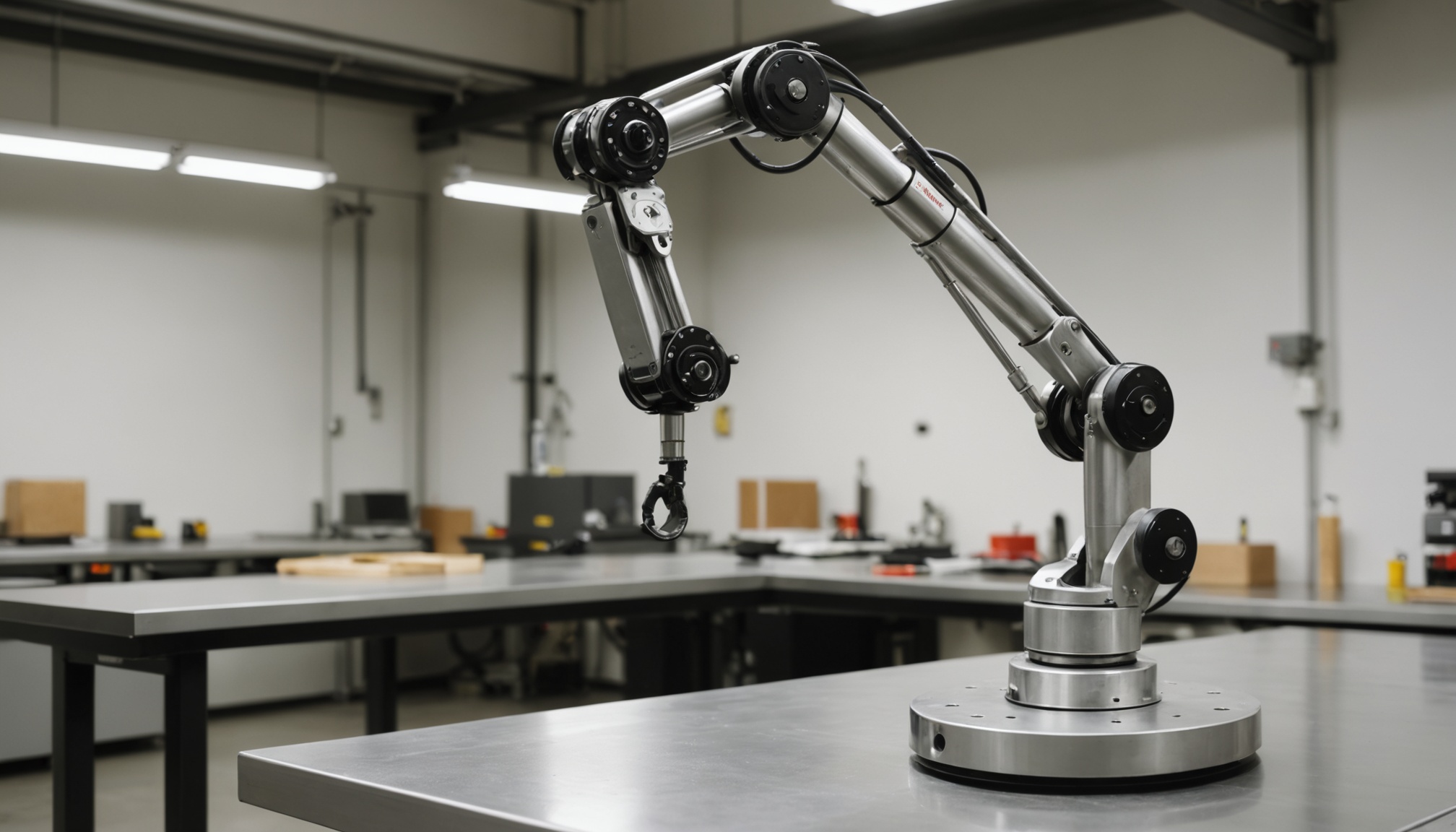
Over 3,000 robotic products filled exhibition halls at China's National Robotics Conference this week, with 311 new models demonstrating precision assembly and industrial inspection capabilities. This marks a dramatic improvement from 2025's event, where viral clips showed robots freezing mid-task or veering off course.
From lab curiosity to production partner
Conference exhibits featured robots performing chemical equipment inspections and sorting fragile components - tasks requiring sub-millimeter accuracy. Zhang Feng of the China Humanoid Robotics Association reported 92% task completion rates in controlled environments, up from 67% last year. The shift comes as manufacturers adopt edge computing modules using Samsung's new zHBM memory, which reduces AI accelerator power consumption by 70% compared to standard HBM.
Specialized hardware meets industrial demand
While general-purpose AI chips dominated previous cycles, this week's Hot Chips conference revealed targeted designs like Samsung's zHBM stack optimized for transformer models. The three-stage evolution from HBM to zHBM reflects growing pressure to balance compute density with thermal constraints in factory settings. These developments coincide with China's reported 31% year-over-year growth in industrial robot production during early 2026.
As robotics leave controlled demo environments, the industry faces new challenges in maintenance scheduling and failure prediction. Next-generation hardware improvements suggest a path forward, but real-world deployments will ultimately determine whether 2026 becomes remembered as the year embodied AI moved from research labs to revenue centers.