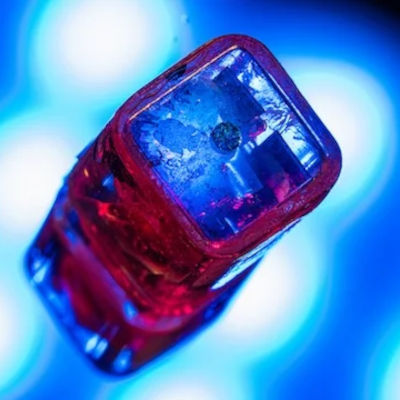

Motif Neurotech has received approval from the U.S. Food and Drug Administration to start the first human clinical trial of its therapeutic brain-computer interface for treatment-resistant depression. The company aims to help nearly three million Americans who live with this condition.
The device, called the Digitally programmable Over-brain Therapeutic or DOT, is a small implantable stimulator about the size of a blueberry. This device sits in the skull above the protective covering of the brain known as the dura and does not touch the brain itself. It delivers targeted electrical stimulation to brain circuits involved in depression and is powered wirelessly.
The early feasibility study will test the safety and performance of the DOT in adults whose depression has not responded to other therapies. The trial will take place at several leading medical centers across the United States.
Additional research support and future goals
Motif Neurotech also received support from a new federal initiative called EVIDENT, run by the Advanced Research Projects Agency for Health. This program will gather extra data during the trial to better understand which patients benefit most from this type of brain stimulation and how well the treatment works.
The technology is based on more than ten years of research. Jacob Robinson, a professor of electrical and computer engineering and bioengineering at Rice University, co-founded the company and serves as its CEO. He compares the goal of the device to a continuous glucose monitor used by people with diabetes, providing ongoing support for mental health.
The company achieved FDA approval for the trial just four years after it was founded, which is unusually fast for this field. The work has been supported by several U.S. government research agencies. People interested in the trial can join a patient registry to learn more about possible participation.
This development represents a step forward in using precise brain stimulation to address difficult-to-treat depression.