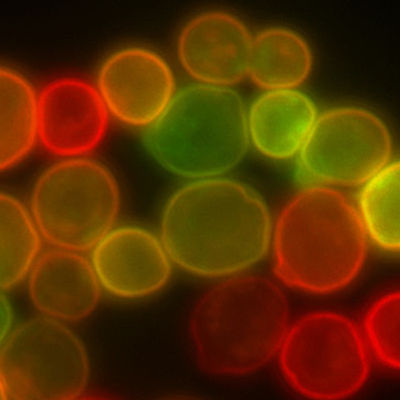

Synthetic biologists have completed the last chromosome for the first synthetic yeast genome. This project is part of the Sc2.0 project, aimed at creating a new yeast genome with 16 synthetic chromosomes and a new tRNA neochromosome.
Using gene editing tools including CRISPR, the biologists fixed errors in the DNA that were slowing yeast growth. This fix helped the yeast grow on glycerol, an important food source, especially in hot conditions.
The synthetic biologists have described the methods and results of this study in a paper published in Nature Communications.
"This is a major moment for synthetic biology," says research co-leader Sakkie Pretorius in a Macquarie University press release. “It is the final piece of a puzzle that has occupied synthetic biology researchers for many years now.”
By finishing this chromosome, the biologists have created a platform that could change how we make medicines and materials in a sustainable way.
“One of our key findings was how the positioning of genetic markers could disrupt the expression of essential genes,” says research co-leader Hugh Goold.
A powerful platform for engineering biology
“This discovery has important implications for future genome engineering projects, helping establish design principles that can be applied to other organisms,” adds Goold.
With this new chromosome, called synXVI, scientists be able to make yeasts with special features and abilities for biotech uses.
The synthetic biologists used the robotic instrumentation in the Australian Genome Foundry to construct this large synthetic chromosome.
“The synthetic yeast genome represents a quantum leap in our ability to engineer biology,” says Briardo Llorente, CEO at the Australian Genome Foundry.
“This achievement opens up exciting possibilities," adds Llorente, "from producing pharmaceuticals to creating new materials.”
This seems na important step in synthetic biology, allowing scientists to rewrite the genetic code of life to understand and manipulate biological systems better. By designing, building, and debugging synthetic chromosomes, researchers can develop yeasts with enhanced properties, such as increased resilience to environmental stresses, which could be vital for food and drug production.