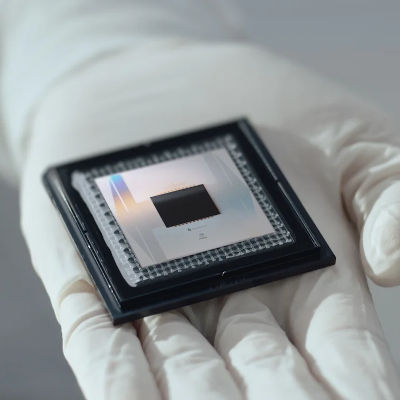

Google scientists and collaborators have developed a new quantum computing algorithm called Quantum Echoes, which marks a major step forward in using quantum computers for real-world tasks. Quantum computing uses qubits (quantum bits, the basic units of quantum information) to perform calculations differently from regular computers. The Quantum Echoes algorithm, tested on the Willow quantum chip, runs 13,000 times faster than the best classical algorithm on a supercomputer. This speed difference is called quantum advantage, meaning the quantum computer outperforms traditional computers in a specific task. The algorithm was published in Nature and is the first to be verifiable, meaning other quantum computers can repeat the results to confirm they are correct.
The Quantum Echoes algorithm works by sending a signal into a quantum system, slightly changing one qubit, and then reversing the signal to detect an "echo." This echo is strengthened by constructive interference of quantum waves, making the measurement very precise. This method helps study complex systems like molecules and magnets by revealing their structure. Google's Willow chip, with its 105 qubits, supports this by having low error rates and fast operations, ensuring accurate results.
Advancing molecular research
In a separate experiment, scientists used Quantum Echoes to study molecules with 15 and 28 atoms, working with Nuclear Magnetic Resonance (NMR), a technique that detects atomic magnetic spins to reveal molecular structure, similar to MRI scans. The quantum computer matched traditional NMR results and provided extra information about the molecules, showing its potential to improve studies in chemistry and biology. This could help design new medicines or materials for batteries and solar energy.
This breakthrough shows quantum computers can handle complex, practical problems with high precision. The algorithm and chip designs are steps toward building larger, error-corrected quantum computers. Future work aims to create long-lasting logical qubits (stable quantum bits used for reliable calculations), which could lead to more real-world uses in fields like drug discovery and materials science.