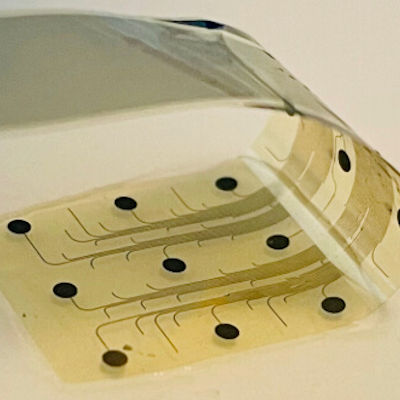

INBRAIN Neuroelectronics has shared early results from its first human study using a brain-computer interface (BCI). A brain-computer interface is a device that connects the brain to a computer, allowing them to communicate. This technology uses graphene, a very thin and strong material made of carbon atoms, to create tiny electrodes that record electrical signals from the brain. The goal of the study was to test if this technology is safe and effective during surgeries for brain tumors.
The study involved four patients so far, and the results show that the graphene-based electrodes are safe, with no harmful effects reported. These electrodes can record brain activity very precisely, even picking up specific signals related to language during surgeries where patients are awake. This precision comes from the electrodes’ ability to detect signals at a very small scale and in real time. The graphene electrodes work better than traditional ones made of materials like platinum, offering clearer and more detailed brain data.
Expanding the study and future potential
The study will include a total of eight to ten patients over the next few months to gather more data and confirm the technology’s safety and performance across different people. The technology’s high resolution could help doctors perform more accurate surgeries. It may also lead to personalized treatments tailored to individual patients. Experts believe this could change how brain surgeries are done and improve outcomes for patients with brain tumors or other brain-related conditions.
INBRAIN has raised $50 million to develop and sell their BCI-Tx platform, a system designed to use this technology in medical settings. The company is also working with other organizations, like Merck KGaA, to apply their technology to other parts of the nervous system. By combining advanced materials like graphene, neuroscience, and artificial intelligence (AI), INBRAIN aims to create new medical solutions for brain disorders.