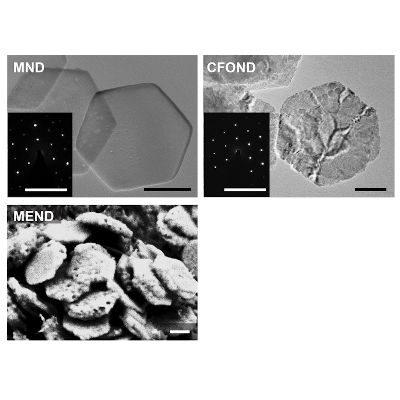

Scientists led by MIT have developed nanomachines that could change how we treat brain conditions. These nanomachines are tiny magnetic nanodiscs about 250 nanometers across, which is much thinner than a human hair. They're designed to be injected into the brain where they can stimulate brain cells without using more invasive means to do the same.
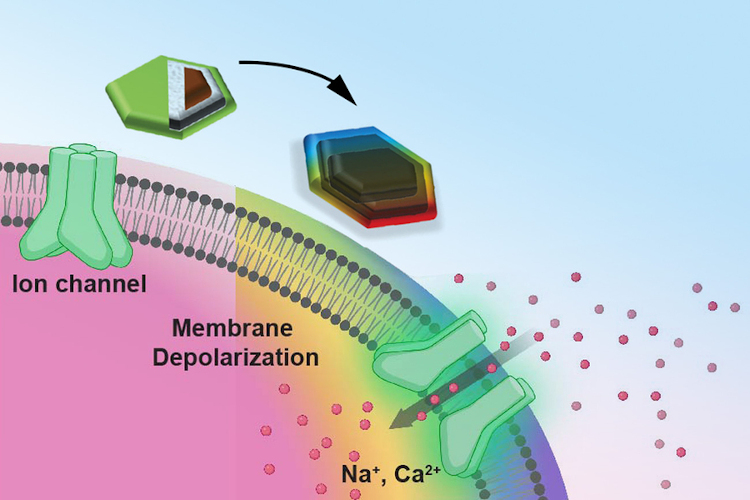
These magnetic nanodiscs work because when a magnetic field is applied, they can generate a tiny electric current. This current can activate neurons in the brain, which is useful for medical treatments or research. The main idea is to use these discs for remote brain stimulation. This means doctors could affect brain activity from outside the body, without surgery to implant electrodes or using invasive genetic modifications.
A paper published in Nature Nanotechnology describes the process, which involves a few steps:
The nanodiscs are made with special materials that react to magnetic fields. They have a two-layer magnetic core and a piezoelectric shell, which allow to control the magnetic properties.
Once made, the discs would be injected directly into the part of the brain that needs treatment or study.
After injection, an external magnetic field would be applied. This would cause the nanodiscs to produce an electric field, which then would stimulate the nearby brain cells.
Potential therapeutic and brain research applications
The research is still in the early stages. The scientists, led by Polina Anikeeva, have made the nanodiscs respond more strongly to magnetic fields (this is called magnetostriction), but turning that magnetic effect into enough electrical output to stimulate neurons effectively still needs work.
This technology could one day help treat diseases like Parkinson's or epilepsy, or help understand brain functions better. It opens up possibilities for treatments that are less risky and potentially more acceptable to patients who might be wary of more invasive brain surgeries or genetic therapies.