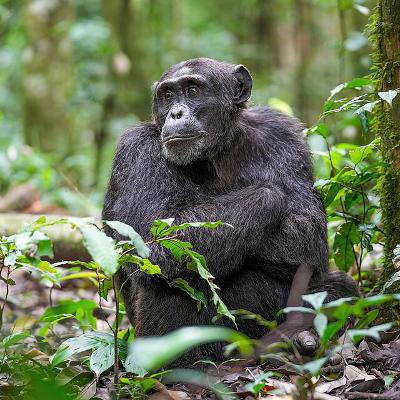

A study reveals that primates with longer thumbs tend to have larger brains, showing how hand skills and brain growth evolved side by side over millions of years.
Scientists looked at 94 different kinds of primates, including both living animals and fossils from the past, to learn about how our ancestors gained their skills. They discovered that species with longer thumbs, which are useful for holding small things with exact control (manual dexterity), always had bigger brains.
This study, published in Communications Biology, gives the first clear proof that skillful hands and brain changes are tied together in all primates, from small lemurs to people. Even when the researchers left out data about humans and our close extinct relatives, who have very long thumbs and huge brains, the pattern stayed the same. The scientists explained that large brains and quick fingers make us different, but they did not grow on their own. As early primates improved at grabbing and working with objects, their brains expanded to manage these new tasks. This process has been shaped over a very long time through changes in the brain.
Thumbs connected to brain thinking areas
In a surprising find, the longer thumbs linked not to the part of the brain that handles body movement, called the cerebellum (which controls balance and actions), but to another area known as the neocortex. The neocortex is a folded layer that makes up about half of the human brain and deals with sensing the world, thinking, and being aware. Researchers thought the cerebellum would be involved because it helps with coordination, but only the neocortex showed the connection. This means that as primates got better at using their hands for detailed work, their brains grew mainly to understand and plan these actions better. More studies are needed to figure out exactly how the neocortex helps with hand skills. Overall, the research highlights how physical changes in hands drove mental advances in primates, leading to smarter behaviors across the group.