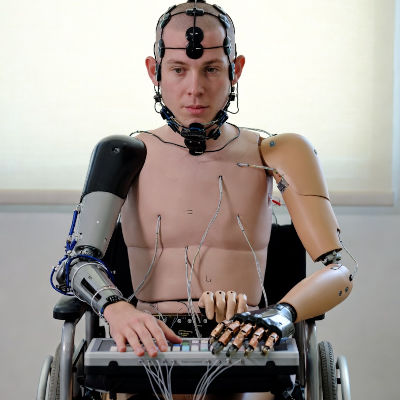

Researchers from Mayo Clinic took first place in the Berlin Quantum Hackathon in 2026. They created a new model that uses quantum computing to spot movement intentions directly from brain activity. The hackathon lasted five weeks, with six final groups chosen from over 180 applicants worldwide. Prizes were given out on March 5. This could help people with paralysis, since even when the body cannot move due to paralysis or other problems, the brain still sends signals for intended actions. These signals are faint and mixed in with the brain's normal electrical noise.
The researchers used electroencephalogram recordings to tell apart intentions to move the left hand from the right. They built a hybrid system mixing artificial intelligence (AI) with quantum methods to find hidden patterns that normal computers might miss. The researchers said the key was building a full solution around patient needs and fixing tough cases where the model had trouble.
Potential for Wider Use in Medicine
If more studies confirm it works, this approach could guide tools like prosthetics or other aids for precise movement. Quantum computing might also speed up drug discovery, plan radiation treatments, or handle big biological data sets. The researchers noted that the event built connections across fields like biology and data science, making the work stronger through shared knowledge. The researchers had no prior quantum experience but learned by blending skills. Mayo Clinic's Quantum Sensing and Computing program backed the work, which explores how quantum tools can aid research and patient care. The hackathon was run by Kipu Quantum, a Berlin-based company, with support from local quantum efforts and Charité-Berlin University Medicine.
"Quantum computing is proving this year that we can design hybrid quantum-classical solutions for tackling industrial problems," says Enrique Solano, CEO of Kipu Quantum. "Medical imaging and life science will occupy a key role in the list of applications. By winning the hackathon, Mayo Clinic is making an important step towards this visionary goal."