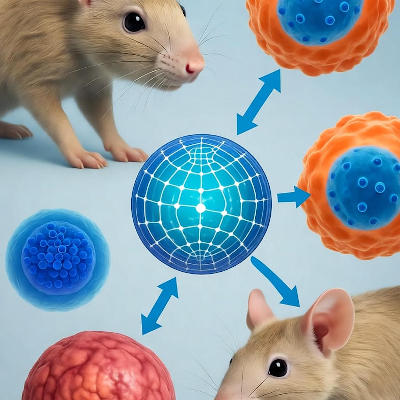

Researchers led by University of Massachusetts Amherst have created a cancer vaccine using nanoparticles to stop certain cancers before they start. The vaccine works by activating the immune system through multiple signals while including cancer-specific antigens.
In tests on mice, this method prevented melanoma, pancreatic cancer, and triple-negative breast cancer. Up to 88 percent of vaccinated mice stayed free of tumors, depending on the cancer type, and the vaccine also cut down or fully stopped the cancer from spreading to other parts of the body.
In earlier work, the same nanoparticle design shrank existing tumors in mice. Now, it has been shown to work as a preventive measure. The first set of tests used known melanoma antigens mixed with the nanoparticles. These activated T cells, a type of immune cell that attacks threats. Three weeks later, when mice faced melanoma cells, 80 percent of those vaccinated with the nanoparticle system had no tumors and lived much longer than unvaccinated mice or those with standard vaccines. None of the nanoparticle-vaccinated mice developed tumors in their lungs when cancer cells were introduced to mimic metastasis, the process where cancer spreads.
Expanding to other cancers
For broader use, the researchers then tested a version using tumor lysate, which is material from killed cancer cells taken directly from tumors. After vaccination, mice rejected tumors at rates of 88 percent for pancreatic cancer, 75 percent for breast cancer, and 69 percent for melanoma. Among those that stayed tumor-free, none showed signs of metastasis when re-exposed to cancer cells. This success comes from a strong T-cell response, driven by the vaccine's design. Vaccines generally have an antigen and an adjuvant, a helper substance that boosts immunity. Here, the nanoparticles act as a super adjuvant, carrying two different immune boosters that work together without mixing issues. This creates memory immunity, a lasting protection that covers the whole body. The approach could apply to many cancer types and help high-risk people. A startup called NanoVax Therapeutics is advancing this for human use, with plans to test it as a treatment for existing cancers. Support came from health institutes and funding sources. The findings are published in Cell Reports Medicine.