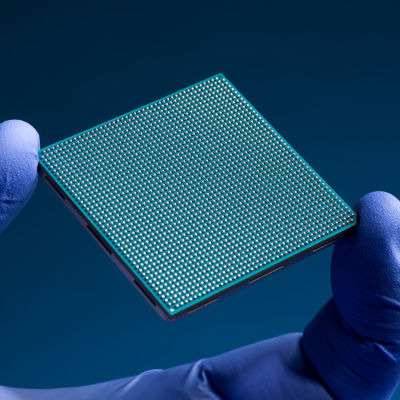

NASA is creating a much more powerful computer chip for spacecraft. Current space processors use old designs that are tough enough to survive radiation, extreme cold and heat, and other harsh conditions far from Earth. But they lack the speed needed for modern missions. The new chip aims to provide up to 100 times more computing power while remaining reliable in space. This will let spacecraft think and act on their own, process data faster, and support human explorers on distant trips.
The project, called High Performance Spaceflight Computing, focuses on a compact processor known as a system-on-a-chip, or SoC. An SoC is a single small piece that contains all the main parts of a computer, including processing units, memory, and connections for data. Such chips are already common in everyday phones and tablets, but this version is specially built to last for years in space without repairs.
Good testing results so far
Testing of the new processor began in February at NASA’s Jet Propulsion Laboratory in Southern California. Engineers subject the chips to radiation, temperature swings, and shocks that copy real spaceflight conditions. They also run realistic landing simulations that would normally need heavy computing power. Early results are promising. The chips have performed as designed and shown signs of operating at 500 times the speed of today’s radiation-hardened space processors.
Early tests included a simple message sent with the subject line “Hello Universe,” echoing the famous first test messages from early computers.
The processor is being developed through a commercial partnership with Microchip Technology Inc. Once certified, it will be used in Earth-orbiting satellites, planetary rovers, crewed habitats, and deep-space probes. The same technology will also find uses in aviation and other industries on Earth. This advance supports faster scientific discoveries and more capable autonomous spacecraft for NASA’s future exploration goals.