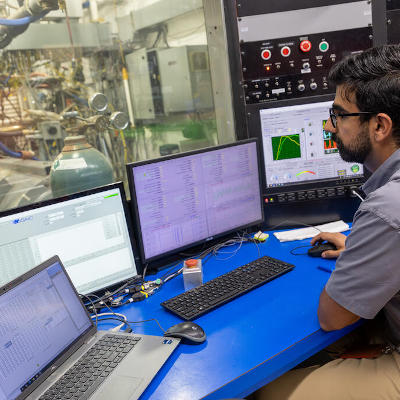

Southwest Research Institute and The University of Texas at San Antonio are working together to build an artificial intelligence (AI) system that detects pre-ignition in hydrogen internal combustion engines, or H2-ICE. Pre-ignition is when fuel burns inside an engine too early, before the spark is meant to happen. This can harm the engine’s performance and structure. Hydrogen engines are more likely to have pre-ignition because hydrogen burns easily. The goal is to make hydrogen a safer, cleaner fuel for vehicles by solving this problem.
The work uses machine learning along with sensors placed on the engine. The focus is on spotting signs of pre-ignition, such as unusual pressure changes, to prevent damage. Factors like engine heat, leftover gases, or oil drops can cause pre-ignition, making it tricky to control and a key issue for using hydrogen widely.
How the system is being developed
Researchers are gathering data from lab sensors that track pressure inside the engine to tell apart normal and pre-ignition events. Machine learning will then find patterns, or signatures, that show when pre-ignition happens. This data will help create AI models that work with cheaper, common sensors. These models can detect pre-ignition in real-time, meaning as it happens, to keep the engine safe.
“Many of the same reasons that hydrogen is such an attractive, clean alternative to traditional fuels make it more prone to pre-ignition,” says researcher Abdullah Bajwa in a press release issued by SwRI. "This project introduces advanced machine learning tools that will complement SwRI’s traditional signal processing approaches in ICE research."
The project involves staff and students working on new ways to improve hydrogen engine technology. This effort builds on past work, like developing a working hydrogen-powered truck, to push forward clean energy solutions. The collaboration aims to share knowledge and resources, helping make hydrogen engines more reliable for the future of transportation.