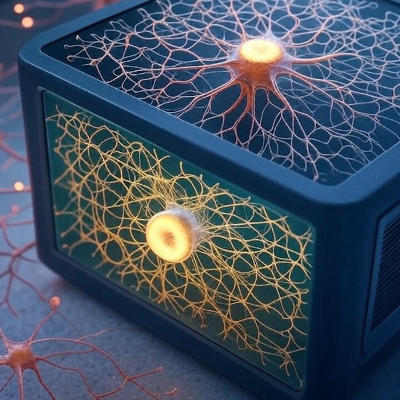

The human brain does more than just manage connections between cells called synapses, which are links that pass signals. Individual brain cells, known as neurons, also handle information through a feature called intrinsic plasticity. This is the ability to change how sensitive they are based on what happens around them. Until now, computer chips for artificial intelligence (AI) have not been able to copy this brain flexibility well. Researchers at KAIST have made a new kind of chip that does this, using very little power and getting a lot of notice.
They call it the Frequency Switching Neuristor. This device acts like an artificial neuron that remembers past events and changes its reactions on its own. For example, in the brain, you might get less surprised by the same noise over time, or react faster to something after practice. The neuristor does something similar by adjusting how often it sends signals, called spikes.
To build it, the researchers mixed two types of parts called memristors. One is a volatile Mott memristor, which reacts quickly but goes back to normal soon after. The other is a non-volatile memristor, which holds onto signals for a long time. Together, they let the device control neuron firing rates freely.
How the device improves AI performance
In tests using computer models of simple networks, this setup used 27.7 percent less energy than regular AI systems while doing the same job. It also showed strength: if some parts broke, the intrinsic plasticity helped the system fix itself and keep working. This means AI with this tech saves power and handles faults better.
The researchers said this work brings brain-like functions into one chip, boosting AI hardware's efficiency and steadiness. It could help in areas like edge computing, where devices process data on their own without a central server, and self-driving cars that need reliable long-term operation.
This study is published in Advanced Materials.