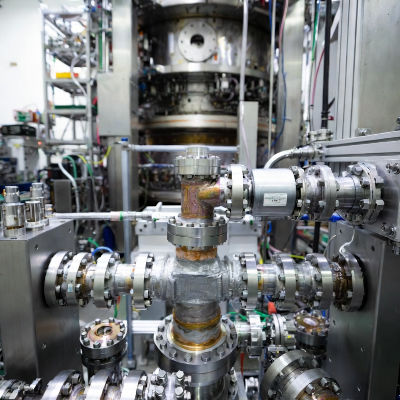

Oak Ridge National Laboratory, Type One Energy, and the University of Tennessee, Knoxville, are working together to create a special facility for testing materials in fusion energy systems. This high-heat flux facility will be at the Tennessee Valley Authority's Bull Run Energy Complex in East Tennessee. It will check how materials handle extreme heat in fusion devices. The focus is on plasma-facing components, which are parts that directly touch the super-hot plasma - a gas-like state of matter hotter than the sun's core.
This facility is only the second of its kind in the United States and the most powerful. It can mimic the intense heat in fusion reactors and uses pressurized helium gas for cooling. Helium is a safe, stable gas chosen for many fusion designs because it handles high temperatures well without reacting chemically. The project gets money from the Department of Energy's Fusion Energy Sciences program, Type One Energy, and the state of Tennessee. It builds on local strengths, like the university's knowledge in designing fusion materials and the lab's programs for developing and testing them.
Key support for fusion progress
The site is near Type One Energy's Infinity One stellarator testbed - a device to study fusion - and could host a future fusion power plant. It meets a need from the Department of Energy's roadmap for better testing of materials that last under plasma hotter than the sun. The facility complements another experiment at the lab called the Materials Plasma Exposure Experiment, which studies how plasma interacts with materials. Using electron-beam technology, it will apply steady heat over 10 megawatts per square meter, like the heat in some rocket engines.
This effort will speed up the creation of reliable parts for fusion pilot plants, which are early versions of full-scale power plants. It also makes East Tennessee a center for fusion research and manufacturing. Next steps include finishing the design, buying parts, and building it, with completion expected by the end of 2027. This project supports broader goals for affordable, clean nuclear technologies to meet energy needs and strengthen security.