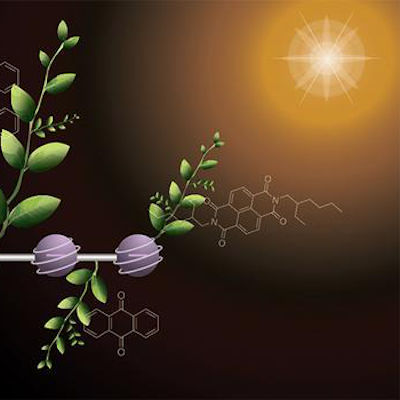

Researchers at the University of Basel have created a new molecule that copies how plants use sunlight. This molecule can hold two positive charges and two negative charges at once when light shines on it. The goal is to turn sunlight into fuels that do not harm the environment. Photosynthesis is the natural process where plants use sunlight to change carbon dioxide into sugars full of energy. These sugars feed animals and people, and when burned, they release the same amount of carbon dioxide, keeping the cycle balanced.
This idea could lead to clean fuels. Scientists want to mimic photosynthesis to make solar fuels like hydrogen, a gas that burns cleanly; methanol, a liquid fuel; and synthetic petrol, man-made gasoline. These fuels would release only the carbon dioxide used to make them, making them carbon-neutral, meaning they do not add extra carbon to the air.
This research is published in Nature Chemistry.
A special molecule design
The molecule has five linked parts, each with a job. On one side, two parts let go of electrons and become positive. On the other side, two parts take those electrons and become negative. In the center is a part that catches sunlight and starts electron transfer.
To create the four charges, the researchers use two bursts of light. The first light flash makes one positive and one negative charge, which move to the ends of the molecule. The second flash does the same again, adding another pair. This step-by-step method works with dim light, close to normal sunlight strength. Earlier work needed very bright lasers, far from real sunlight. The charges stay stable long enough for use in reactions, like splitting water into hydrogen and oxygen.
This molecule is not yet a complete system for artificial photosynthesis. But it is a key step. It improves understanding of how electrons move, vital for this technology. The findings could help build a future with sustainable energy from the sun.