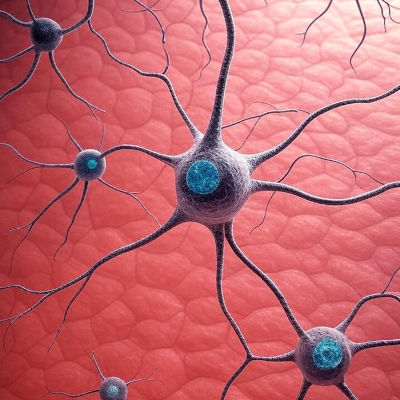

A study from Karolinska Institute shows that new neurons form in the hippocampus, a brain area key for memory and learning, even in older adults. The hippocampus also helps manage emotions. This finding answers a long-standing question about whether the human brain can keep adapting as we age. In 2013, researchers used a method involving carbon-14 to measure DNA in brain tissue and prove that new neurons could grow in adults. However, it was unclear if the starting cells, known as neural progenitor cells, which turn into neurons, were active in adult brains.
In the new study, published in Science, researchers examined brain tissue from people aged 0 to 78 years, collected from international biobanks, which are storage centers for biological samples. They used single-nucleus RNA sequencing, a technique that looks at gene activity in individual cell nuclei, and flow cytometry, a method to analyze cell characteristics. Machine learning helped identify different stages of neuron development, from stem cells to young neurons, many of which were dividing.
Locating and understanding new neurons
To pinpoint where these cells were, researchers used RNAscope and Xenium, methods that show where specific genes are active in tissue. These techniques revealed that new neurons form in the dentate gyrus, a part of the hippocampus vital for memory, learning, and flexible thinking. The study found that human neural progenitor cells are similar to those in mice, pigs, and monkeys, but some genes work differently. There was also variation among people - some had many progenitor cells, while others had few.
These findings help explain how the brain adapts throughout life. They also suggest that treatments could be developed to boost neuron growth for brain diseases or mental health conditions. The Karolinska researchers worked with researchers from Chalmers University of Technology and used advanced methods to confirm that neuron formation continues into late adulthood, offering hope for new ways to treat brain-related disorders.