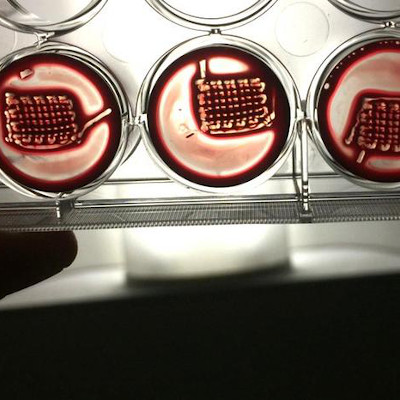

Scientists at the University of Nottingham have developed a new type of "biocooperative" material, which is made from blood and can help fix broken bones.
The new biocooperative material can help the body heal from injuries or diseases. It would be possible to create personalized healing products from a person's own blood.
The scientists have described the methods and results of this study in a paper published in Advanced Materials.
The researchers have focused on using small proteins called peptides. These peptides guide the healing process in our bodies. The researchers mixed these peptides with blood to create the biocooperative material , which works like the body's natural way of healing.
After an injury, blood turns from a liquid into a solid, creating a regenerative hematoma (RH). This RH is like a busy workshop where different cells and substances work together to repair the damage.
The new material not only copies the natural RH but also makes it better at healing. It does all the things that the RH does, like helping blood cells called platelets to work properly, making growth factors that help cells grow, and bringing the right cells to the injury to fix it.
Promising test results
They researchers have tested this on animals, using the animals' own blood to heal their bones, and it worked well.
In a University of Nottingham press release, research leader Alvaro Mata explains that instead of trying to make artificial versions of the body's healing environment, they're working with what's already there.
Researcher Cosimo Ligorio adds that blood is readily available and using it like this could mean we could quickly and safely turn a patient's blood into something that can heal them.
This method could lead to new ways to help tissues regenerate. The researchers hope to create a set of tools that doctors can use right in hospitals to make healing implants from blood. Doctors would be able to shape or even 3D print the implants.