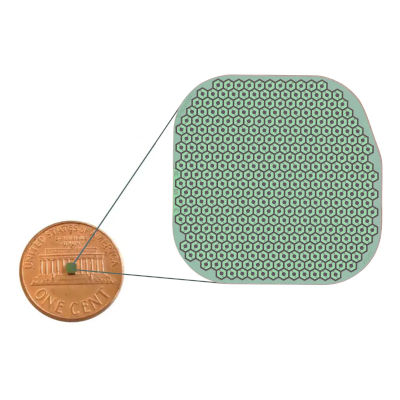

The PRIMA brain-computer interface (BCI) retinal implant offers new hope for people with vision loss from geographic atrophy (GA), a condition caused by age-related macular degeneration (AMD). AMD is a disease that damages the retina, the part of the eye that senses light, affecting over 5 million people globally. GA specifically destroys photoreceptors, cells in the retina that detect light, leading to severe central vision loss. The PRIMA implant, a tiny device placed under the retina, acts like artificial photoreceptors. It uses light from special glasses to stimulate remaining retinal cells, sending visual signals to the brain. This restores the ability to see letters, numbers, and words.
A study published in the New England Journal of Medicine tested PRIMA in 38 patients across 17 sites in five countries. Results showed that 80% of patients had significant improvement in visual acuity, a measure of how clearly someone sees. On average, patients could read 25.5 more letters on an eye chart, equivalent to five lines. Most could read words, and some even read book pages. The implant caused no major harm to remaining peripheral vision. Minor issues, called serious adverse events, occurred early after surgery but resolved within two months for 95% of cases. The implant’s safety led experts to recommend it for European market approval, with hopes of availability next year. In the U.S., approval is being sought from the FDA.
A New Era for Vision Restoration
The PRIMA implant is a 2mm x 2mm x 30µm device, thinner than a hair, powered wirelessly by near-infrared light from glasses with a zoom feature for magnifying text. Unlike other treatments that only slow AMD’s progress, PRIMA restores functional vision. Work is underway to improve the implant with better image processing and design to help more patients with AMD-related vision loss.
“This breakthrough underscores our commitment to pioneering technologies that provide hope to patients in need, and which have the ability to transform lives,” said Max Hodak, founder and CEO of PRIMA developer Science Corporation.