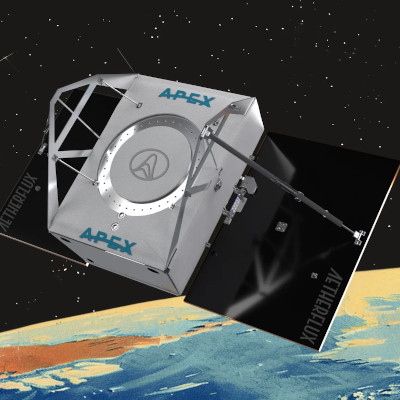

Robinhood founder Baiju Bhatt has started a new company called Aetherflux, TechCrunch reports. This company focuses on generating solar power from space.
Aetherflux plans to build satellites equipped with solar panels. These satellites will capture sunlight and convert it into electricity. Once the electricity is generated, it will be sent back to Earth, where it can be used to power homes and businesses.
Solar panels in space can collect more sunlight than panels on Earth. In space, there are no clouds, weather, or day-night cycles to block sunlight. This means solar panels in space can work much more efficiently.
Aetherflux aims to make solar power from space commercially viable, meaning it can be produced and sold at a price that makes it competitive with other energy sources. Bhatt thinks that this could greatly contribute to global energy needs, especially as the world seeks cleaner alternatives to traditional energy sources.
Bhatt believes advancements in technology now make it possible to make space-based solar power (SBSP) work effectively. His goal is to provide a clean and reliable source of energy, helping to reduce dependence on fossil fuels, which are harmful to the environment.
The idea of SBSP is not new. Bhatt traces it to Isaac Asimov’s 1941 short story “Reason”. John Mankins covered real SBSP methods and proposals in "The Case for Space Solar Power" (2014).
Innovative approach to SBSP
Traditional SBSP proposals envisioned large and costly structures in geostationary orbits, using radio waves for power transmission and requiring massive footprints on the ground. But Aetherflux is taking a different approach.
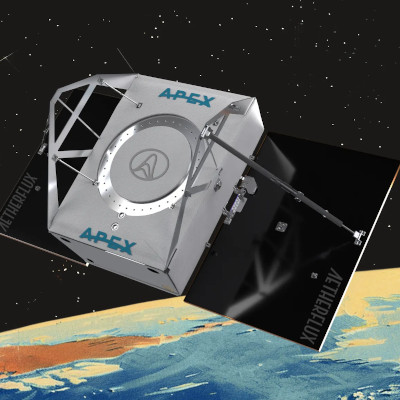
"We’re building a constellation of small satellites in Low Earth Orbit, working together to transmit power to many small ground stations," says Bhatt. "Instead of transmitting power through microwaves, we’ll use infrared lasers, allowing for higher power output and smaller footprints on Earth. This isn’t your grandfather’s space solar power concept."
In his book, Mankins briefly discussed the use of infrared lasers to transmit power to Earth.
The startup is still in the early stages, and developing the technology will take time. However, TechCrunch notes that Bhatt, a billionaire, is committed to funding Aetherflux through its first demonstration mission.