
Gen. Chance Saltzman presented a detailed plan for how the service should prepare for future challenges in space, Space News reports. He released two public documents that together describe expected threats and the kind of force needed to meet them. The first is called Future Operating Environment 2040. The second is called Objective Force.
Satellite systems face growing risks as potential opponents develop ways to interfere with or damage them. China stands as the main pacing challenge, meaning its advances set the standard for U.S. planning, while Russia presents a secondary concern. Both nations are expected to use tools such as cyberattacks, electronic warfare that disrupts signals, and spoofing that tricks systems into false readings. Conflict in space is likely to involve ongoing small disruptions rather than large open battles.
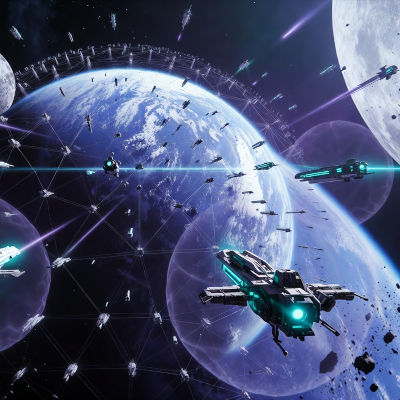
Technological changes will add complexity. Artificial Intelligence (AI) will speed up operations. Large groups of smaller satellites will replace a few big ones for better survival. Activity will extend into cislunar space.
Combat readiness
The objective force document sets a guiding direction for the next 15 years. It calls for a combat-ready service that can keep working even under attack. Plans include building resilient and spread-out satellite networks instead of depending on a small number of costly assets. The force must defend its own systems and also prevent adversaries from using space when needed. Operations will combine military, commercial, and allied resources in a hybrid approach. Faster choices will come from AI and automation.
Saltzman invited open review of the documents and asked for suggestions from lawmakers, industry leaders, and partners. He noted that current structures are not enough and that the service will need to grow in people and support systems. The vision covers key areas such as missile tracking, navigation warfare, satellite communications, and space sensing.
Saltzman described the documents as a starting point meant to spark questions and refinement over time.
The paired reports provide a clear public statement yet of how the Space Force views the shift toward active space warfare and the changes required to maintain advantage.