
Space travel harms the body through changes in gravity, disruptions to circadian rhythm, the body's natural 24-hour cycle, and radiation. These cause muscle loss and weaker bones, and might affect making healthy children.
Studying germ cells, which are early cells that become eggs or sperm, matters because damage to them can pass to the next generation. Past studies showed problems in embryonic stem cells, basic cells that can turn into any body part, after spaceflight, but the reasons were unclear.
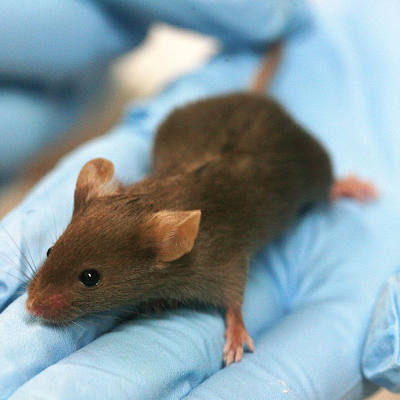
Researchers at Kyoto University tested spermatogonial stem cells, stem cells that make sperm, from mice, which reproduce faster than humans. They cryopreserved the cells and sent them to the International Space Station. The cells stayed in a deep freezer there for six months before returning to Earth.
Back in the lab, the cells showed no clear damage. Researchers thawed them and grew more through in vitro expansion, a process of increasing cell numbers in a dish outside the body. Then, they put the cells into mouse testes, the organs that produce sperm.
This study is published in Stem Cell Reports.
Results from the study
In three to four months, mice with these cells mated naturally and had babies. The newborns were healthy with normal gene expression, how genes turn on or off to make proteins. This shows cryopreserved germ cells keep their ability to make offspring for at least six months in space.
The researchers said it is key to learn how long germ cells can stay stored on the station for future human trips. The work helps build ways to save germ cells from many animals for long space journeys.
Surprisingly, freezing harmed the cells more than spaceflight, due to hydrogen peroxide, a chemical used in freezing that killed some cells. Space had little effect, even though these cells are sensitive to radiation.
More checks are needed. The baby mice seem normal without odd DNA patterns, the molecule that carries genetic information, but long-term health and fertility in them and their children must be studied. Some cells remain frozen on the station for ongoing tests.