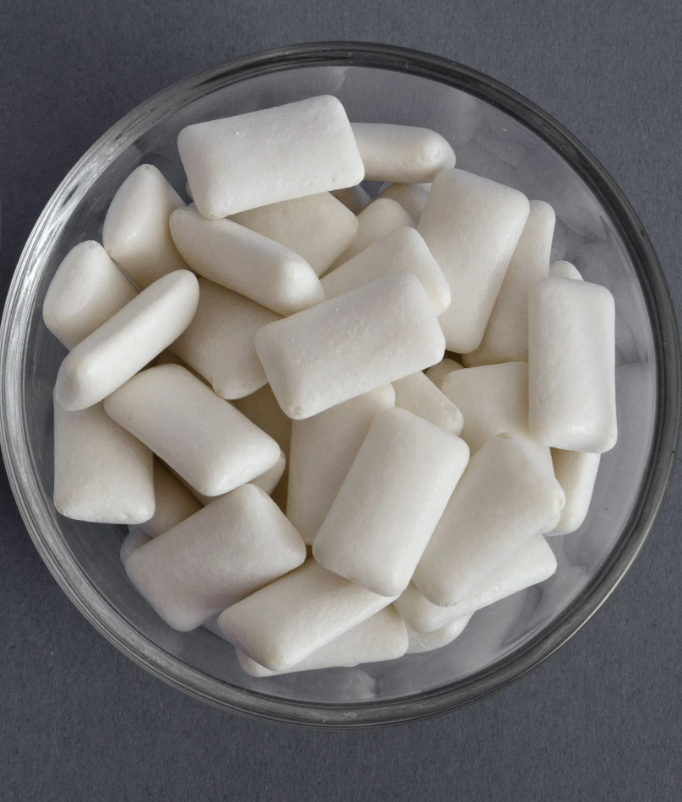

Cleveland Clinic researchers have found higher amounts of the sugar alcohol xylitol are associated with an increased risk of cardiovascular events like heart attack and stroke.
The team, led by Stanley Hazen, M.D., Ph.D., found an association in a large-scale patient analysis, preclinical research models and a clinical intervention study. Findings were published in the European Heart Journal.
Xylitol is a common sugar substitute used in sugar-free candy, gums, baked goods and oral products like toothpaste. Over the past decade, the use of sugar substitutes has increased significantly in processed foods that are promoted as healthy alternatives, said Hazen in a statement.
Investigating sugar alcohols and artificial sweeteners
“This study again shows the immediate need for investigating sugar alcohols and artificial sweeteners, especially as they continue to be recommended in combatting conditions like obesity or diabetes,” said Dr. Hazen, Chair of Cardiovascular and Metabolic Sciences at Cleveland Clinic’s Lerner Research Institute and Co-Section Head of Preventive Cardiology in the Heart, Vascular & Thoracic Institute.
Xylitol is a sugar substitute commonly used in sugar-free candy, gums, baked goods, and oral products like toothpaste. The use of sugar substitutes has increased significantly in processed foods as these products have been promoted as healthier alternatives to sugar.
Research limitation: association, not causation
The authors note that further studies assessing the long-term cardiovascular safety of xylitol are warranted. The research had several limitations, including the fact that the studies demonstrate association and not causation. They recommend talking to your doctor or a certified dietitian to learn more about healthy food choices and for personalized recommendations.
The study was partly supported by the National Institutes of Health and the Office of Dietary Supplements.
Citation: Marco Witkowski, Ina Nemet, Xinmin S Li, Jennifer Wilcox, Marc Ferrell, Hassan Alamri, Nilaksh Gupta, Zeneng Wang, Wai Hong Wilson Tang, Stanley L Hazen, Xylitol is prothrombotic and associated with cardiovascular risk, European Heart Journal, 2024, ehae244, https://doi.org/10.1093/eurheartj/ehae244