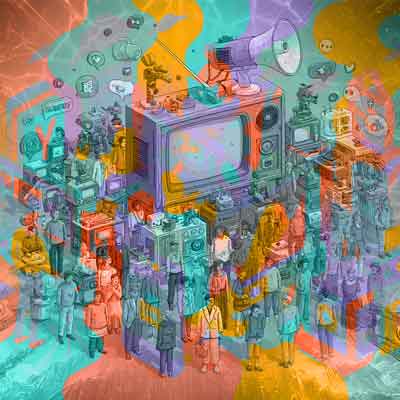

For a long time, the stories we read and watch have been funneled through a narrow gate, traditional publishers, broadcasters, and tech giants. These centralized institutions have held the power to decide what matters and how we consume it. But that model is showing its age. Today’s audiences are tired of being passive observers; they want transparency, a seat at the table, and actual ownership of their digital experiences. Emerging platforms like Mindplex AI are leading the charge, blending blockchain, artificial intelligence, and community-led governance to turn media from a one-way broadcast into a collaborative ecosystem. This is more than a tech upgrade. It’s a cultural shift toward democratizing how we tell our stories.
The Problem with Centralized Media
The current media landscape is struggling under the weight of its own structure:
- Gatekeeping: Editorial boards and corporate interests act as filters, often narrowing the range of perspectives that reach the public.
- Algorithmic Bias: Social platforms are designed to chase engagement, which frequently rewards sensationalism over substance and nuance.
- A Growing Trust Deficit: In an era of misinformation, audiences are increasingly skeptical of mainstream outlets, leaving a vacuum where credibility used to be.
- The Creator’s Dilemma: Even as content creators drive the digital economy, they rarely have a say in how their work is monetized, distributed, or owned.
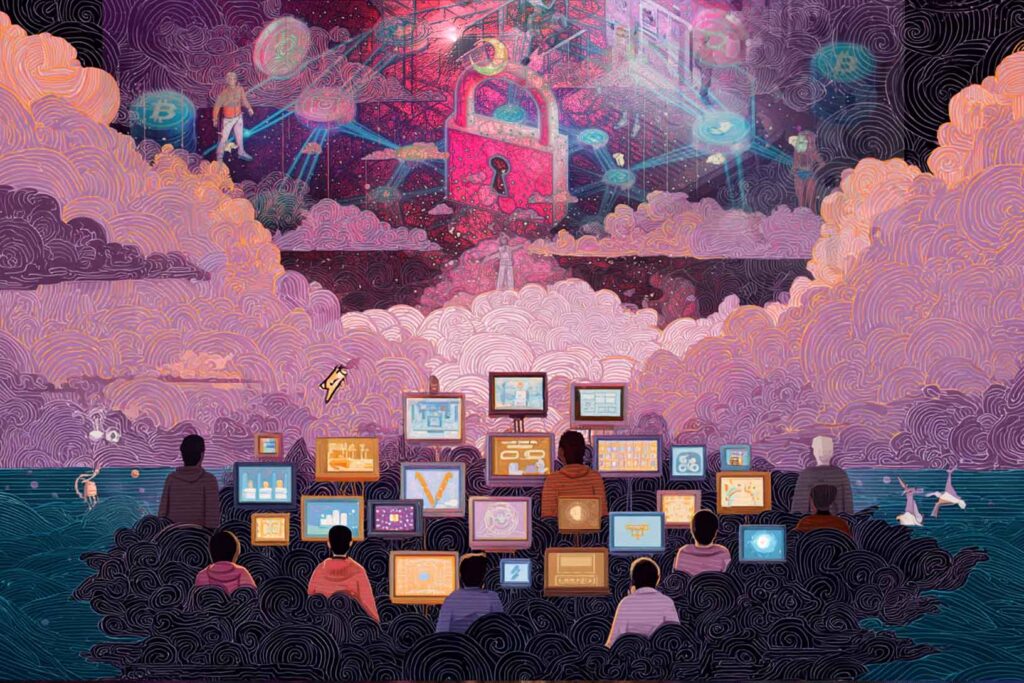
What Decentralized Media Offers
Decentralized media flips the script by shifting power back to the people involved in creating and consuming content:
- Community Governance: Through blockchain tokens and reputation systems, platforms like Mindplex allow creators and audiences to collectively shape the editorial direction.
- Transparency: Blockchain provides a clear, verifiable record of how content is created, shared, and monetized, removing the "black box" of traditional platforms.
- True Ownership: Instead of profits being syphoned off by intermediaries, creators retain the rights and revenue streams their work generates.
- AI as a Partner, Not a Controller: AI tools are being used to personalize experiences and foster healthy discussions, but without the top-down control typically associated with big tech.
- A New Model: Mindplex acts as more than just a site; it’s a living ecosystem where contributors are fairly rewarded and the audience has a genuine voice in the creative process.
Empowering Creators and Audiences
When the barriers between the creator and the audience drop, everyone wins:
- For Creators: The result is autonomy. Creators can experiment with new formats without the constant fear of being buried by an opaque algorithm.
- For Audiences: The role evolves from a silent consumer to an active participant. You aren't just scrolling; you are voting, engaging, and helping build the narrative.
- Proven Models: Platforms like Steemit and Mirror.xyz have already paved the way for blockchain-based publishing. Mindplex takes this further by weaving in AI-driven personalization and a focus on forward-thinking, futurist themes.
- For Brands: Decentralized media offers a path toward authentic engagement. Rather than shouting ads at an audience, brands can find ways to co-create campaigns with communities, building far more trust and lasting loyalty in the process.
Challenges and the Road Ahead
While the potential is massive, the transition won't be seamless:
- Scalability: Moving to decentralized infrastructure requires overcoming significant technical hurdles to handle the volume of modern media consumption.
- Balancing Quality: Community governance is powerful, but it requires a careful balance to maintain high editorial standards without stifling open expression.
- The Learning Curve: Most of us are conditioned to use centralized platforms. Moving to decentralized alternatives requires a shift in how we interact with technology.
- The Future Vision: As AI and blockchain continue to evolve, decentralized media is positioned to become the new standard—a hybrid ecosystem that values credibility, creativity, and the power of the community.
Decentralized media isn’t just a fleeting trend; it is a fundamental change in how we share our world. Platforms like Mindplex prove that when you put power into the hands of the people who actually make and consume media, the result is more transparent, authentic, and innovative. The future of media isn't a corporate product, it’s a collective act, and it belongs to the collaborators.