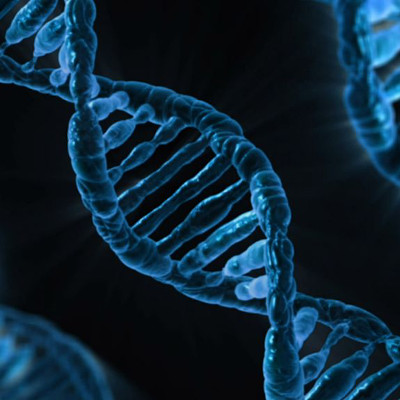

DNA, which holds life's instructions, could power future computers. These DNA computers could be much smaller and quicker than today's silicon-based ones. In a new study published in ACS Central Science, researchers describe a DNA computing method that is fast, works in sequence, and can be rewritten like regular computers.
In nature, DNA works in a transcription and translation sequence that produces RNA, then proteins. This happens over and over. Scientists want to use these molecular processes in computers for better performance. They've made some progress with DNA computing for specific tasks, but they're aiming for more versatile, reusable DNA devices.
Previously, the researchers made DNA circuits with many logic gates. They used short DNA pieces, or oligonucleotides, to represent 0 or 1 data. In their system, oligonucleotides interacted with logic gates in a liquid tube, creating an output DNA strand. This strand then attached to an origami-like DNA structure called a register, which is like computer memory. Reading this strand told the system what to do next. But this process was slow and required manual transfers.
To improve speed and efficiency, the researchers placed the DNA register on a glass surface. Here, the output DNA from one gate could easily bind to the register, get read, and then detach, resetting the register without moving it. They also created an amplifier to help DNA pieces find each other faster. This new setup allowed all computing steps to happen in one tube in just 90 minutes.
Toward large scale DNA computing
“DNA computing as a liquid computing paradigm has unique application scenarios and offers the potential for massive data storage and processing of digital files stored in DNA,” says researcher Fei Wang in an ACS press release.
This research could lead to larger, faster DNA computing systems and makes it easier to see and fix problems in DNA algorithms, paving the way for more advanced DNA-based computing.
“This research paves the way for developing large-scale DNA computing circuits with high speed and lays the foundation for visual debugging and automated execution of DNA molecular algorithms,” concludes Wang.