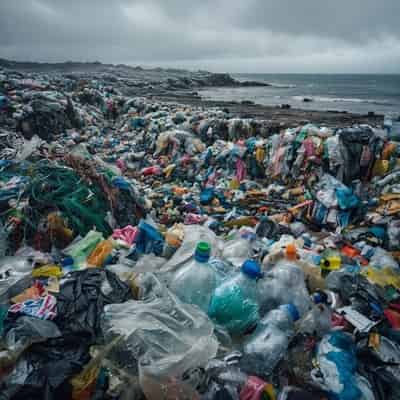

A new scientific article is urging governments worldwide to implement immediate national plans to tackle plastic pollution, warning that waiting for a stalled international treaty will result in years of damaging delay while the crisis escalates.
The editorial, published in Nature Reviews Earth & Environment by Dr. Antaya March and colleagues from the University of Portsmouth’s Global Plastics Policy Centre, argues that countries already have the tools and knowledge to act. This call comes after the latest round of Global Plastics Treaty negotiations ended without agreement, leaving a binding international pact potentially years away. [1]
The researchers emphasize that plastic pollution must be reframed from solely an environmental issue to a major and growing public health emergency. They point to a growing body of evidence linking plastic-associated chemicals to serious diseases, with the annual global health-related economic cost estimated to exceed $1.5 trillion. This health framing is intended to build stronger public understanding and political pressure for urgent regulation. [2]
The core recommendation is for countries to develop and enact comprehensive national plastics strategies without delay. Such plans can coordinate government ministries, engage stakeholders, unlock financing, and ultimately prepare nations to implement a future global treaty more effectively. The authors warn that losing the current momentum built by the treaty process would be a critical mistake.