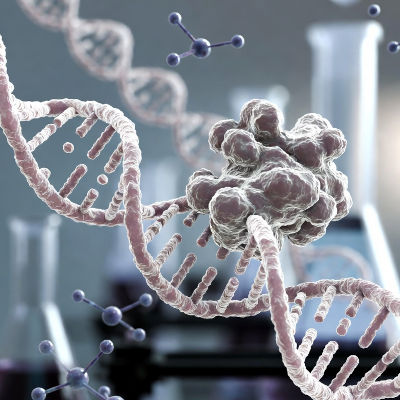

Researchers at UC Irvine have developed a new enzyme that can quickly and accurately make RNA. RNA is a molecule similar to DNA but essential for making proteins and widely used in vaccines and therapies. Natural enzymes called DNA polymerases copy DNA but reject RNA building blocks, making it hard to produce RNA in laboratories.
The new enzyme, named C28, solves this problem by working at speeds close to natural ones while keeping high accuracy. It can handle long RNA sequences and even copy RNA back into DNA through reverse transcription, the process of turning RNA into DNA. It also supports DNA-RNA amplification using polymerase chain reaction, a common laboratory method to make many copies of genetic material.
This could help create custom RNA for medicine, including chemically modified versions used in mRNA vaccines. The enzyme accepts chemical changes to RNA building blocks, expanding its use in biotechnology.
How directed evolution shaped the enzyme
Instead of redesigning the enzyme by hand, researchers used directed evolution. This is a laboratory technique that mimics natural evolution by mixing related enzyme genes and testing millions of variants quickly. They screened these in single cells to find ones that make RNA well. After a few rounds, they found C28 with many mutations spread throughout the protein that together allow efficient RNA synthesis.
The changes were surprising because they did not focus only on the enzyme’s active site, where reactions happen, but improved the whole structure. This shows enzymes can adapt in unexpected ways through evolution-based methods.
The work highlights how such approaches can create new functions not found in nature. It may advance fields like RNA biology and synthetic biology, where scientists build new biological systems. The National Science Foundation funded the study, which points to better tools for biomedical progress.
The researchers have described the methods and results of this study in a paper published in Nature Chemical Biology.