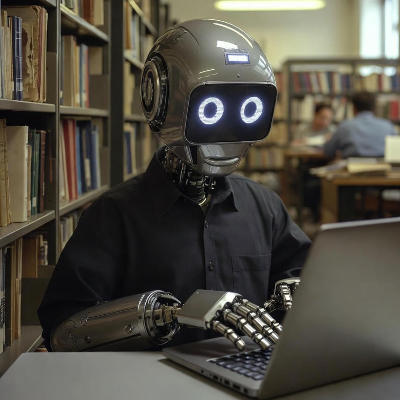

A report from the University of Cambridge shows that just over half of UK novelists think artificial intelligence (AI) will replace their jobs as fiction writers. Close to two-thirds say their books have been used without permission to train large language models (LLMs). Over a third report that generative AI has already cut their earnings. Most expect their future income to drop because of AI.
The study surveyed 258 published novelists and 74 people from the publishing industry, such as editors and agents. It found that writers of romance, thrillers, and crime stories are seen as most at risk from AI taking their places. Even so, four out of five people surveyed agree that AI brings some good to society. One in three novelists uses AI for simple tasks, like finding facts, but not for creative work.
Concerns and calls for change
Novelists worry about losing originality in stories and breaking trust with readers if AI is not openly used. Some fear that doubts about AI in their work could harm their names. The report notes deep worries in an industry that adds billions to the UK economy and leads the world in book exports. Writers say copyright laws, which protect original work from being copied, have not been followed since generative AI started. They want permission and payment for using their books, plus clear details from tech companies and help from the government.
Many see a future where human novels become rare luxuries, while cheap AI books flood the market. Almost all novelists strongly dislike AI writing full books or even parts of them. The study suggests AI could make fiction more dull and full of old ideas, hurting culture. Writers call for rules to make AI firms share what data they use and for changes in laws to protect creators. They also want more human-focused writing in schools to keep reading alive and find new diverse voices.