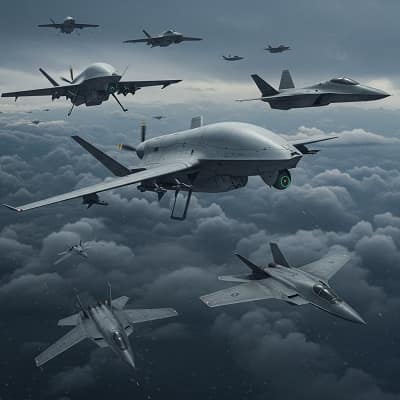

As autonomous weapons systems advance rapidly, the UN and human rights groups are sounding alarms over their use in modern warfare. In Ukraine’s Kherson region, over 150 civilians have died from Russian drone strikes, which a UN-appointed investigation calls crimes against humanity. Ukraine is also ramping up drone deployments, building a "drone wall" for defense.
The UN warns that decisions over life and death must never be left to machines. Izumi Nakamitsu of the UN Office for Disarmament Affairs calls such delegation “morally repugnant” and urges an international ban. Human Rights Watch labels this trend as part of a broader “digital dehumanisation,” where AI increasingly influences critical human affairs.
Several countries—including the US, Russia, China, Israel, and South Korea—are heavily investing in autonomous weapon systems. Advocates claim machines are more reliable than soldiers, but critics stress the technology remains flawed and biased. Facial recognition can misidentify people with disabilities or darker skin tones, increasing the risk to civilians.
The UN aims to establish a legally binding agreement by 2026. While consensus remains elusive, over 120 countries support a ban, and draft texts under the Convention on Certain Conventional Weapons show growing momentum for regulation.