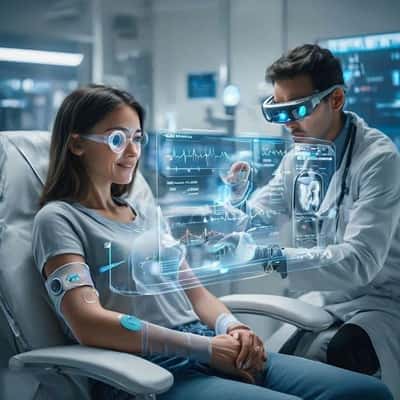

A global shortage of health workers—projected by the World Health Organization to reach 11 million by 2030—is straining hospital systems and exposing critical gaps in patient monitoring. Traditional spot checks of vital signs, typically performed every four to six hours, leave patients unmonitored up to 96% of the time. This intermittent approach increases the risk of missing early signs of deterioration, delaying treatment and compromising safety.
Wearable technology is emerging as a solution. Continuous monitoring devices provide real-time data on heart rate, respiration, blood pressure, and oxygen saturation, enabling clinicians to detect anomalies instantly and intervene proactively. In the post-surgical setting—where an estimated 4.2 million people die annually within 30 days of surgery—the stakes are particularly high. Research shows that nearly 30% of these deaths occur after hospital discharge, underscoring the need for seamless care beyond hospital walls.
AZ Maria Middelares hospital in Ghent, Belgium, is pioneering such an approach. By equipping heart surgery patients with a medical-grade smart bracelet for continuous remote monitoring, clinicians achieved early intervention in 33% of cases, according to Peter Dierickx, the hospital's Chief Technology Officer. “Health care today extends beyond the physical walls of the hospital,” Dierickx said, emphasizing the importance of integrating digital tools into both inpatient and home settings.
As wearable platforms increasingly incorporate predictive analytics, they promise to transform hospital workflows—reducing manual observation time, enhancing clinical decision-making, and ultimately improving patient outcomes.