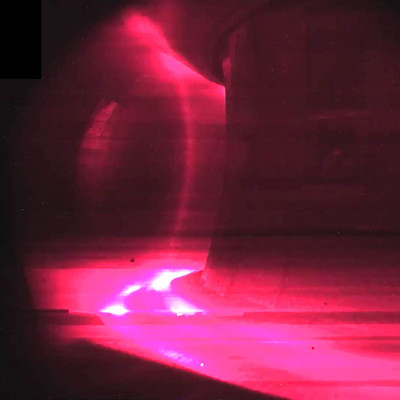

A machine called WEST made a big step in fusion energy research. WEST is a tokamak, a donut-shaped device that holds super-hot gas called plasma using magnetic fields. Located in southern France and run by the CEA, WEST kept a plasma going for over 22 minutes. That’s 1,337 seconds, beating the old record set by EAST, a tokamak in China, by 25%. This success shows scientists are getting better at controlling plasma for longer times.
Plasma is a hot, charged gas, and in this case, it reached 50 million degrees. That’s hotter than the sun! Keeping it stable is tricky because plasma wiggles and can damage the machine. WEST’s record matters because future machines like ITER need to hold plasma for minutes to make energy. ITER is a huge international fusion project also in France. The goal is to create energy by fusing hydrogen atoms, a process called nuclear fusion.
France is ahead in nuclear fusion research
Nuclear fusion joins light atoms to release energy, unlike fission, which splits heavy atoms. Fusion uses little fuel, leaves no long-lasting waste, and could power the world cleanly. WEST’s trick is magnetic confinement fusion. This method traps plasma in a magnetic “cage” and heats it until atoms smash together. JET, another tokamak in the UK, once made 15 megawatts of fusion power for a few seconds using this idea.
WEST has special features like superconducting coils, which are super-cold magnets, and cooled parts that handle the heat. Researchers from around the world use it to test long plasma runs. The team now aims to push plasma times to hours and crank up the heat even more. CEA research director Anne-Isabelle Etienvre says this record puts France ahead in fusion research, especially for ITER.
Fusion energy promises a lot, but it’s not ready yet. Big machines and tricky tech mean it won’t help cut carbon emissions by 2050. Scientists still need to solve problems and prove it’s worth the cost. For now, WEST’s milestone is a hopeful sign for clean energy someday.